Feature · Film
Kult–Tour: Senegal
“La Noire de…” by Ousmane Sembène
The birth of African cinema: that is “La Noire de…” by Ousmane Sembène.
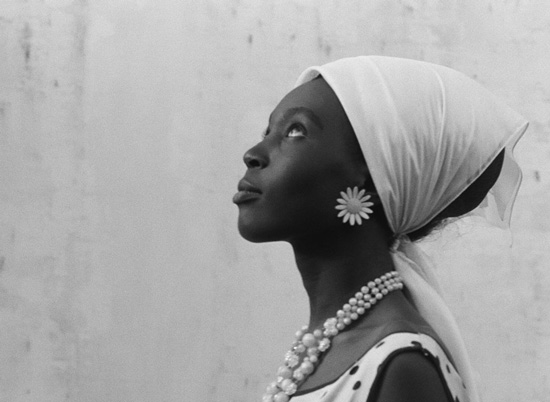
It is already 52 years old, yet Ousmane Sembène’s 1966 film “La Noire de…” has lost none of its appeal or its aura. In the USA the Senegalese director was rediscovered by critics a few years ago and rightly elevated to the same rank as Akira Kurosawa, Federico Fellini or Vittorio de Sica.
“La Noire de…” stands, in a sense, for the birth of African cinema, which ever since has repeatedly made itself heard with gripping stories, striking images and incisive criticism (see also the World Cup tips on Tunisia and Morocco).
“La Noire de…” tells the story of Diouana, a young, intelligent woman from Dakar who takes up a position as a maid with a well-to-do couple in Paris. Diouana goes on to suffer not only from homesickness but also from constant exploitation, flippant remarks and being put on show to the couple’s circle of friends under the guise of development aid.
With its captivating black-and-white images shot on a hand-held camera, the film recalls the works of the French Nouvelle Vague. Ousmane Sembène skilfully uses this aesthetic form to bring the consequences of postcolonialism, seen from an African perspective, closer to an international audience.
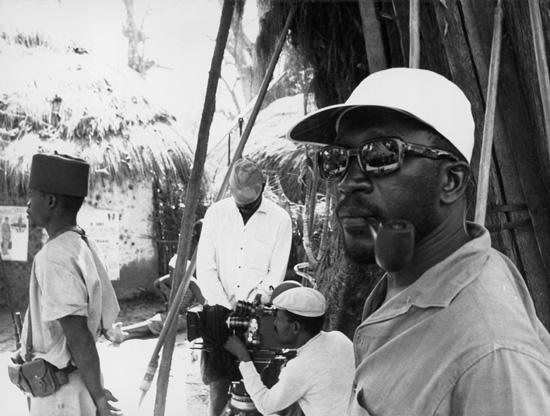
“La Noire de…”. Senegal 1966. Director and screenplay: Ousmane Sembène. Cinematography: Christian Lacoste.
Cast: Mbissine Thérèse Diop (Diouana), Anne-Marie Jelinek (Madame), Robert Fontaine (Monsieur). Momar Nar Sene (Diouana’s boyfriend).